As the EU rethinks its international partnerships, economic and strategic interests are becoming increasingly prominent alongside, if not replacing, traditional development objectives. But what does a genuine win-win partnership look like? Who defines the benefits, and how can Europe ensure that poverty reduction, solidarity and the priorities of partner countries remain central?
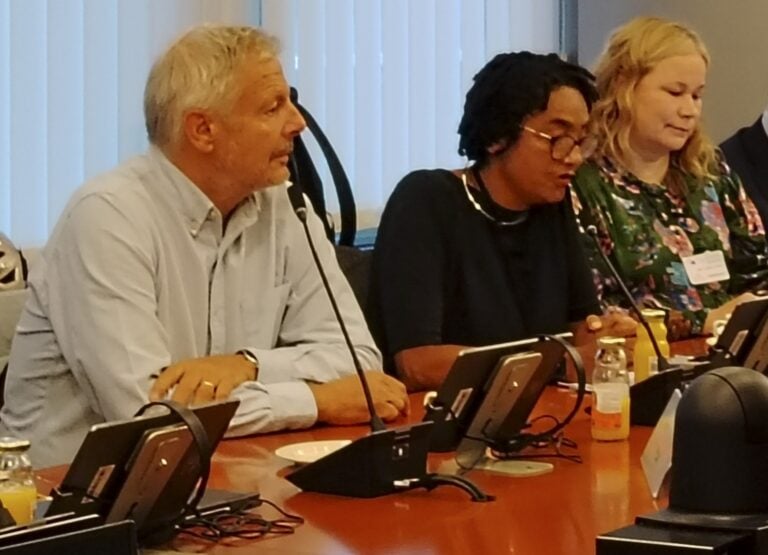
These questions framed a European Parliament breakfast dialogue on 29 September, hosted by MEPs Udo Bullmann (S&D) and Niels Geuking (EPP). Two speakers brought practical experience to the discussion. Emmanuel Blin is the founder and former CEO of Tech Care for All, a social enterprise working to improve healthcare across Africa and India. Katri Suomi is Director of External Relations and Fundraising at Finn Church Aid, a faith-based development and humanitarian organisation. Drawing on their experience in business and development cooperation, they challenged participants to look beyond investment figures. Their examples from Africa showed both the opportunities for cooperation between businesses and civil society and the importance of investing in local skills, enterprises and institutions.
In a more competitive and interconnected world, Europe’s comparative advantage is not simply what it invests, but how it invests and the partnerships it builds.
Lessons from business engagement in Africa
Blin and Suomi offered two reality checks drawn from long-term engagement with businesses, civil society and people affected by crises across Africa.
First, top-down approaches by external European actors and businesses no longer cut it. As Blind’s own experience in West Africa illustrates, relationships have shifted. European actors who were once welcomed as principal interlocutors increasingly find that African decision-makers prefer to engage directly with local business leaders and professionals who understand their context.
Secondly, Global Gateway seeks to expand opportunities for European businesses while generating benefits for partner countries. But Blin questioned whether Europe can compete with other international partners primarily through the scale of its investments. He drew on long-term experience of building an African-led healthcare business. Too much development funding continues to flow through large programmes and established channels, he argued, rather than reaching local entrepreneurs and supporting local innovations.
Their message was clear: Europe needs a smarter approach that goes beyond financing. Both speakers stressed the importance of understanding and responding to local needs, of poverty reduction and ensuring sustainable outcomes must remain at the heart of development cooperation and partnerships.
However, Blin also warned against cooperation models that rely on time-limited grants without providing for long-term sustainability. He described projects that ended when grant funding ran out, leaving valuable services without continued support. In a complex set of humanitarian, development and peace-building realities, Suomi underlined that different contexts require different tools. The future Global Europe instrument needs to ensure that both grants and investments can respond to local needs and circumstances.
New partnership: local Skills, local jobs and stronger institutions
The speakers stressed that Europe cannot compete on financial scale alone. Its comparative advantage will lie in its ability to build long-term, trust-based partnerships. Through meaningful dialogue with local businesses, civil society and public authorities, these partnerships can help deliver lasting results: local skills, local jobs, stronger institutions and sustainable businesses.
If Africa’s young people have access to quality education, decent jobs and peaceful societies, Africa gains growth and opportunity. Europe gains skilled partners, growing markets and a more stable neighbourhood. (Katri Suomi)
In the end, Europe’s interests will not be defined by where it invests, but by whether it helps build the talent, businesses and institutions that both our continents will depend on. That is where Europe’s values and interests truly meet. And that is what a genuine win-win should mean.
Read More on ACT EU analysis of Global Gateway: How Global Gateway Demonstrates Impact for Poverty Reduction and Inclusion